
Tiles are one of the most long-term design choices in any home. Once they’re installed, replacing them can be expensive and time-consuming, which is why nobody wants their tiles to look “out of style” just a few years after renovating. The good news is that staying current with design trends doesn’t mean you need to chase every fad. It’s about knowing which styles have lasting appeal and which ones are likely to fade. As we step into 2025, here’s how you can avoid outdated tile looks and create spaces that feel modern, timeless, and fresh.
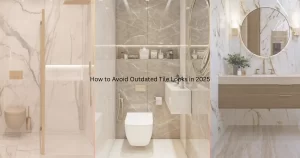
Say Goodbye to Overly Busy Patterns
Tiles with overly complicated designs had their moment, but in 2025, simplicity is winning. While patterned tiles are still popular, the focus is shifting toward minimalism and subtle details rather than loud, distracting motifs. If you’re worried about your tiles aging quickly, stick to designs that have clean lines and neutral colors. Geometric shapes, soft textures, or even terrazzo-inspired looks work well without overwhelming the room.
Avoid Overusing Glossy Finishes
Glossy tiles can make a space feel bright and polished, but when every surface shines, the room can feel dated fast. High-shine finishes were trendy in the early 2010s, but in 2025, the balance has shifted toward matte and natural textures. Matte finishes, in particular, add a sense of elegance and sophistication while hiding smudges and water spots better than glossy tiles. You don’t need to skip glossy tiles altogether-just use them as accents rather than covering entire walls or floors.
Stay Away from Fake-Looking Imitations
Technology has improved drastically in recent years, and today’s wood-look or stone-look tiles are so realistic that they’re hard to tell apart from the real thing. However, cheaper, low-quality imitations that look “too fake” can instantly make your interiors feel dated. In 2025, homeowners and designers are paying attention to authenticity. If you’re choosing imitation tiles, make sure they have natural grain patterns, textures, and color variations that resemble the original material.
Don’t Overcommit to Trends
Every year brings new tile trends-bold colors, metallic finishes, textured surfaces, and more. While these can look stunning, it’s important not to overcommit. Covering your entire floor in a bright, trendy color might feel exciting today, but in a few years, it could look out of place. The smart way to embrace trends is to use them in smaller doses. For example, add a vibrant backsplash in the kitchen or a feature wall in the bathroom. This way, if you want to refresh the look later, it’s easier and less expensive.
Avoid Tiny Tiles in Large Spaces
Mosaic tiles are beautiful, but they don’t always work everywhere. Using tiny tiles in a large living room or spacious bathroom can make the area look outdated and overly busy. In 2025, large-format tiles are the go-to choice for modern interiors. They create a seamless, spacious effect with fewer grout lines and make the room feel bigger and cleaner. Reserve smaller tiles for accent areas where they can stand out without overwhelming the entire design.
Watch Out for Overly Matchy-Matchy Designs
Another outdated look to avoid is making every surface look identical-walls, floors, and backsplashes all in the same tile. This uniform approach can make a space feel flat and uninspired. Instead, mix complementary tiles to create contrast and depth. Pair matte tiles with glossy finishes or use a patterned tile as an accent against plain walls. The key is balance-cohesive, not monotonous.
Conclusion
Avoiding outdated tile looks in 2025 is all about balance: knowing when to embrace trends and when to stick with timeless styles. Focus on natural finishes, authentic designs, and versatile colors. Use trends in moderation, avoid low-quality imitations, and remember that less is often more. By following these simple tips, you’ll create a home that not only feels modern today but also remains stylish for years to come.
More from our blog
See all posts

Recent Posts
- Heat-Resistant Tiles for Kitchens August 31, 2025
- Affordable Outdoor Tiles for Driveways & Parking Areas August 31, 2025
- Avoid These Outdated Tiles August 30, 2025
Pingback: Heat-Resistant Tiles for Kitchens - tilecart